The coronavirus has unsurprisingly made many people nervous and anxious. It’s unprecedented and nobody knows the end date.
Now that we are under lock-down, I hope you find the tips and techniques below helpful and if so, share them with friends and family.
Firstly, routines may become essential for your mood. Set yourself and undertake achievable goals that will give you a dopamine hit, perhaps ones that you have put off like fixing a door handle. Behavioural Activation, a stand-alone Cognitive Behavioural Therapy (CBT) treatment, has found that by undertaking activities people can feel a sense of achievement and pleasure which in itself can lift someone out of depression.
Secondly, try not to worry unless you can problem-solve. Should you struggle to stop worrying, establish a worry time and place, like the bathroom at say 3 pm and allow yourself 15 minutes. Get Self Help and Psychology Tools are brilliant for resources such as The Worry Tree. Although this is a prevailing and not a hypothetical situation there is nothing we can do other than follow authoritative and medical advice. Worrying is similar to rumination. Neither fixes anything, it just keeps the problem going.
Thirdly, if you are feeling anxious, then try techniques like 7-11 breathing: breathing in for 7 seconds and out for 11 seconds. Slow deep breathing has been shown to activate the vagus nerve, which can initiate the parasympathetic nervous system, relaxing you.
Fifthly, we might all have to tighten our belts. Create a budget so you know and can plan how much money you spend and receive, and on what.
Finally, limit yourself to how much time watching, reading or listening to Coronavirus news. Obtain only essential information and from reputable sources, perhaps twice a day.
For those who were planning to seek out help – or think you now need help as a result of this pandemic – rather than postpone your decision, we can Skype and/or have telephone appointments. Don’t let COVID-19 stop you from getting the help you want.
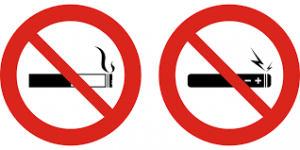
Do you want to stop smoking or vaping? Have you tried ways that just have not worked? Did you stop for a while, but something happened stressful or otherwise and that old ‘friend’ reappeared? It’s not your fault that you smoke. I will say that again, ‘it’s not your fault that you smoke!’
As a teenager, I smoked to fit in, continuing because I was bored. I stopped for 6 months but felt like having one cigarette, one day. After all, I somewhat liked the smoking ritual. And the movie stars made it looked cool.
About a year later, aged twenty-two, I met a thirty-two year old. We started dating. I was infatuated by her. She would ask to smoke the end of my cigarettes. I could not say no, but I did not want her to become a smoker. So I decided to stop once and for all. She was my motivation. It was not easy and I substituted cigarettes for chocolate and fast food.
Some of my clients have had similar experiences: smoking to relieve stress; cigarettes toasting success; smoking to make friends; and more.
I helped them realise that, for example, cigarettes do not relieve stress. In fact, cigarettes cause stress. Nicotine tricks our survival system into believing cigarettes and their substitutes are important for life, more important than food, security and sex. That urge to smoke when feeling stressed is because there is a massive, abnormal amount of dopamine in your body and corticotropin releasing hormone (CRH) is released to bring it down. CRH brings about that niggling feeling. And to top it off, smoking increases stress hormones – cortisol and adrenaline.
I can help eliminate the triggers, happy, sad and indifferent. I heard one client stop smoking through therapy, only to light up on a holiday. As they do not holiday very often, it was not something that came up in the consulting room as a trigger and therefore was not worked on. The result: they became a full-time smoker again until revisiting their therapist.
In just two sessions, I can help you stop permanently and healthily. We will tackle all the triggers. You will learn everything you need to know that can empower you to really want to stop. For instance, did you know cigarettes are laced with sugar to make them more addictive? Specifically, when sugar is burned a substance called acetaldehyde is formed, which is shown to be a positive reinforcer. Also, sugar combined with ammonia produces a milder flavour, to mask the unpleasant flavour of nicotine.
Among other chemicals, cigarettes contain acetone, in other words nail varnish remover, and formaldehyde, used to preserve organs. Yuck! Although e-cigarettes are better, as they do not contain tar or carbon monoxide, I personally am not convinced they are a good alternative. They have not been around long enough for the long-term effects to be known. And research has shown that e-cigarettes aerosol may contain harmful substances like diacetyl. Inhaling diacetyl can cause bronchiolitis obliterans, which can be fatal, if untreated. Research has revealed that certain e-cigarette heating coils leaked potentially dangerous levels of metals. And when a person vapes they may inhale droplets of the e-liquid, which can be very harmful to the lungs.
So to get you started to stop smoking or vaping, just keep a five-day diary of the first cigarette you smoke each day: record day, time, your thoughts and feelings while smoking, the actual desire for the cigarette (rated from 0-10), and actual pleasure obtained from it (0-10). Do your best to delay smoking for as long as you can each day, seeing how long you can go before the first cigarette. If you can, drink water – as water has been found to help with cravings – while smoking, not doing anything else (no coffee, tea, or distractions like phones). Then, record how much you spend a day, week, month and a year. You may soon realise, sooner than you think, how much you now want to stop smoking / vaping. Please see my appointments page if you would like to make an appointment or discuss how I can help you.
Have you found it hard to keep to your new year resolutions? Do you find that you are reverting to old ways? If so, what are you finding the hardest?
I decided that there are things that I wanted to change and which I’m succeeding at. However, I’ve occasionally lapsed and when this happens it is important to ask some questions.
Who creates the biggest obstacle to your success in keeping to your resolutions? Many people do not realise that they are stopping themselves fulfilling their achievement. But why can’t they change? As a Cognitive Hypnotherapist, I believe that the unconscious dictates about 90% of our behaviour. This is a huge percentage! We aren’t always aware of what we are doing: we are on auto-pilot. We will rationalise and convince ourselves, for example, confusing procrastination with laziness. Our unconscious is filtering information (it’s estimated 11 million bits every second) according to our beliefs even when proved otherwise. And the lives we lead can often be driven by events in our childhood, often significant emotional events that our young minds aren’t able to digest properly.
Decisions or lack of are formed from a limiting belief(s) in ourselves or from a secondary gain(s), such as what we would lose in our quest for success. What will you lose if you were to succeed? Would you lose the freedom to see your friends / family because you become too busy? What would then become important to you? Is this frightening? Can you see yourself as the person you want to be? If you really want to change but are finding it hard, you may find Cognitive Hypnotherapy helpful to expel limiting beliefs and / or uncover and remove secondary gains (or, if more appropriate and healthy, have these gains but integrated in to the life you seek). Sometimes we need a little assistance and Cognitive Hypnotherapy can give you the tools to become the master of your life.
Even the decision to see a therapist is not always easy to make. So, you may want to make lists of what is important to you and an action plan, for instance, a thousand actions. For example, as simple as obtaining a phone number or an email address as the first action to ascertaining employment. Announcing to your friends and / or family your intentions is a strong motivator, especially if written. Often the hardest thing to do is to get going, it’s like learning to ride a bicycle without stabilisers. We may be wobbly to begin with but through perseverance we let go of the anxiety that we will fall. Also, the initial push is the hardest (especially if we are in the wrong gear) but, once we get going, the energy we produce propels us forward.
Andy Murray’s loss to Roger Federer in the 2012 Wimbledon championship could have set him back months or more in mental preparation for the 2013 tournament. Instead, he reflected positively on the defeat. Although satisfied with his performance, he looked to improve (a learning mindset!).
Of course, determination and grit put him in good stead. But these are meaningless if he saw the loss as a barrier to success. Sebastian Coe, the overwhelming favourite to win gold in the 800 metre completion at the 1980 Moscow Olympics, was beaten into second place by his great rival Steve Ovett. He suffered a shattering loss. But he avenged this with a win over the same person six days later.
So what is the difference between a performance and a learning mindset? Those with a performance mindset will regard winning as total. Anything else is failure. They may even consider themselves as at the peak of their performance and the best amongst their peers. Their mindset is ‘fixed’. This way of thinking can still fuel ambition but it will not lead to ‘mastery’ of their sport, discipline, specialism, etc. Conversely, a person with a learning mindset will believe that their abilities, talent, intelligence, worth, etc. can improve. Their mindset is therefore also one of ‘growth’. They will be persistent in their quest. They will view their ‘losses’ as opportunities to improve.
To quote of the many useful Neuro-Linguistic Programming statements (also known as presuppositions): ‘There is no such thing as failure only feedback!’. Even if you make the same ‘mistake’, it is just more feedback – an opportunity to learn.
To quote Sebastian Coe: “Throughout my athletic career, the overall goal was always to be a better athlete than I was at the moment – whether next week, next month or next year. The improvement was the goal. The medal was simply the ultimate reward for achieving that goal.”
Should you wish to know the science behind ‘fixed’ and ‘growth’ mindsets, then you may find the website by Professor Carol Dweck (who coined the terms) informative: http://www.mindsetonline.com/whatisit/about/index.html.
If you are finding it difficult to break free from your limiting beliefs, then do look around my website to see how I can help you.
Do you have a habit that annoys others? Can you be over-the-top? Maybe it’s time to change? If not, what will it take?
I have a small collection of trainer footwear of which I am particularly fond. There is one pair I have worn only once since I bought them a year ago, when I tried them on in the shop. I like certain things to be perfect (what’s that about?) and decided to wear these trainers earlier this week when the sky was clear and bright, and I couldn’t see any puddles. I found a nice coffee shop and I treated myself to a hot chocolate. Now this is not something I normally do when I am on my own, and I honestly can’t remember the last time I did this. Before I even took a sip of the hot chocolate the barista accidentally knocked it over and, you guessed it, on to my lovely “new” trainers.
I didn’t get upset. The assistant was highly embarrassed and apologetic and I didn’t want to make her feel worse. I’ve seen people become extremely angry in similar situations but as a Hypnotherapist I understand why they react negatively as they might have experienced a hijacking of emotions (strong emotions make us stupid – a regression to undeveloped cognitive thinking).
The experience made me realise that I, too, needed to loosen up a little. Sometimes events that may appear insignificant can actually be a catalyst for change. I have endeavoured for too long to protect many of my possessions, clothes, books, etc. It’s as if I undertook a risk-assessment. It was time for me to change.
So what would make you change? Do you follow into the three times convincer group? For example, do three different people need to tell you the same thing for you to be influenced by that identical message? Alternatively, do you fit into the group that is automatically persuaded or into the faction that needs to be consistently convinced? For instance, if you were frequently dining in a restaurant but were let down on your last visit, would you return? Moreover, do you need one incident at work or in your personal life for you to doubt yourself or others? If this rings true to you then how many positive experiences do you need to have to be convinced to believe in yourself or others again?
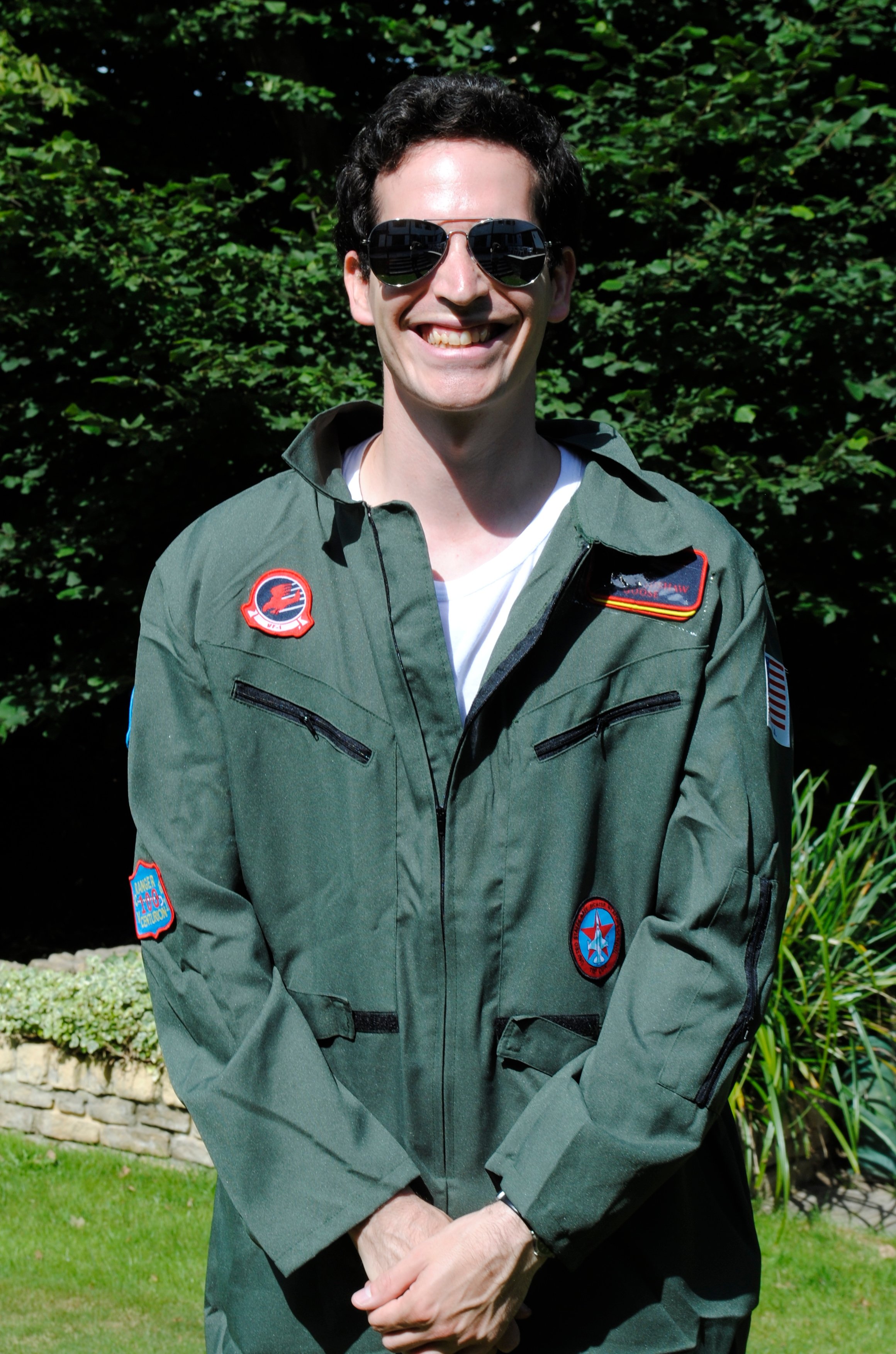
I went recently to a fancy dress party to celebrate a friend’s birthday. Originally, I wanted to go as Super Mario from the computer game of the same name. However, I tried on this costume in the fancy dress shop and, although it was bright, I didn’t feel comfortable – especially as I had to walk through London.
I hunted for a good thirty minutes to find the right costume and I found a replica of the jumpsuit from the film Top Gun. I tried it on and I was fairly pleased with what I saw in the mirror. This was to be my attire for the party.
This got me thinking, “Who would I be if I was Super Mario? Who would I be if I was Pete ‘Maverick’ Mitchell from Top Gun”? After all, they are two completely different characters and therefore will behave entirely differently. According to Mariowiki (a website dedicated to all the characters in the Super Mario Brothers’ computer games), Super Mario is likely to be a silent character without a distinct personality. Certainly Maverick is more extroverted and possibly more confident.
So ask yourself, “If you were to imagine yourself not necessarily as the character from a film or computer game but as the person you want to be, how would you be different to who you are now?” What would be different in your identity, beliefs, values, capabilities and behaviour? This is in-fact a technique developed by Robert Dilts, which I use to help my clients imagine the person he / she would be without his / her problem.
Visualiation is a powerful tool! Sports professionals often use visualisation techniques to help with their success in their sport. Indeed, musicians and other performers will do so too. The late actor Cary Grant was quoted as saying “I pretended to be somebody I wanted to be until finally I became that person. Or he became me.” He epitomises the “fake it ‘till you make it” mentality. It is therefore possible to become the person you want to be through conscious effort.
I hope you can see the benefits of this technique, which is simple but effective, and in time maybe you too will become the person who you want to be. However, some people may have deep rooted limiting beliefs that require professional treatment. If this is you, then contact me to make an appointment or have a look at the other pages in my website to see how I can help you.
Channel 4 has been airing a programme called ‘Hidden Talent’. As a keen linguist I saw last week’s episode where a young English man undertook a 12 week programme in Jordan to learn Arabic, an extremely hard language to learn. On the end of his journey he appeared on live Jordanian television amazing the talk show host and everyone else with his ability to understand Arabic and talk in that language.
Apparently, after 12 weeks of study he was at the same level of progress as most students are after around two years of study. Impressive!
And it got me thinking: while the current job market is fairly difficult to break into and many people are unaware of their abilities, if they realised their capabilities, they could be happy and potentially successful, working in an environment that utilises their skill set. Many people, unfortunately, are not utilising their skills and are unhappy in their jobs.
I am a certified Life Coach. I believe these people would benefit from receiving Project You Coaching (life coaching) to tap into all the hidden talents they possess and more by guiding them towards their goals as well as helping them understand themselves better.
Project You Coaching is unique as it can be combined with Cognitive Hypnotherapy, if beneficial to the client, to uncover and treat any limiting beliefs, i.e. a lack of confidence.
Also, as a certified Learning Coach, I can help in an educational capacity to help you improve your exam results, memory and enjoyment for learning.
If you want to know more and / or are interested in exploring your potential, or want to have a change of career / find employment then please contact me to discuss how I can help you.
Exercise, some people love it, others don’t. I fit into the second group of people. Although I do enjoy walking and will do so on average for thirty minutes a day. But I have always avoided the gym and I don’t know many people who have the time and enjoy playing sports. However, if you have read my previous blog posts you will know that I am an enthusiastic learner especially about health.
Recently, I saw an episode of Horizon on TV titled ‘The Truth about Exercise’. It was eye-opening. I recommend everyone to watch it on the BBC i-player while it is still available.
Dr Michael Mosley, the presenter, discovered through meeting various specialists the various forms of exercise and what impact it can have on our bodies – and alarmingly some will not get any aerobic benefit. These people are known as ‘non-responders’ and this is due to their genes!
Dr Mosley met an exercise physiologist who showed him the relationship between exercise and weight loss. Whilst jogging around an athletics track his oxygen and carbon dioxide levels were being recorded. At a speed of 6mph he burnt 16 calories per minute. It will take him 55 minutes to burn all the calories of his brunch that day: a blueberry muffin, a banana and a cappuccino. That’s a lot of running to burn off a mid-morning snack!
Many people are not willing to undertake many hours to lose weight and keep it off. And some who do exercise for hours will unconsciously over-compensate by eating more.
If you really want to lose weight and keep it off then you must also control what you eat. But if you don’t see any results, don’t be discouraged because there are many important benefits lie hidden in your body. One of the most remarkable effects of even gentle exercise is what it does to the levels of fat in the blood. Without exercise fat will go into your gut and then into your bloodstream and in-turn will cause a number of changes to your metabolism. All these things together increase the risk of fatty deposits falling on the walls of your blood vessels.
Dr Mosley ate the same full English breakfast from the same cafe twice over two days with the difference of a vigorous 90 minute walk in the evening before the second meal. A blood sample showed there was a third less fat floating around his body from the exercise. The walking had switched on genes that produce an enzyme called lipoprotein lipase, which plays a critical role in transporting fats and breaking down fat-carrying molecules.
As mentioned earlier, some people do not benefit aerobically from exercise. Professor Jamie Timmons of the University of Nottingham conducted a four-year scientific study on 1000 people. He found 20 per-cent of them were non-responders; 15 per-cent were high responders. Even though some people might not get the results they expected from exercise, they can still receive other benefits, for instance, social benefits. And exercise can decrease the chances of developing type two diabetes by improving the insulin function of removing sugar from the blood and controlling fat.
VO2 max is the amount of oxygen a person’s body is able to use. It’s an indicator of current fitness and future health. Unfortunately for Dr Mosley, he cannot improve his aerobic fitness (VO2 max) as he is a non-responder.
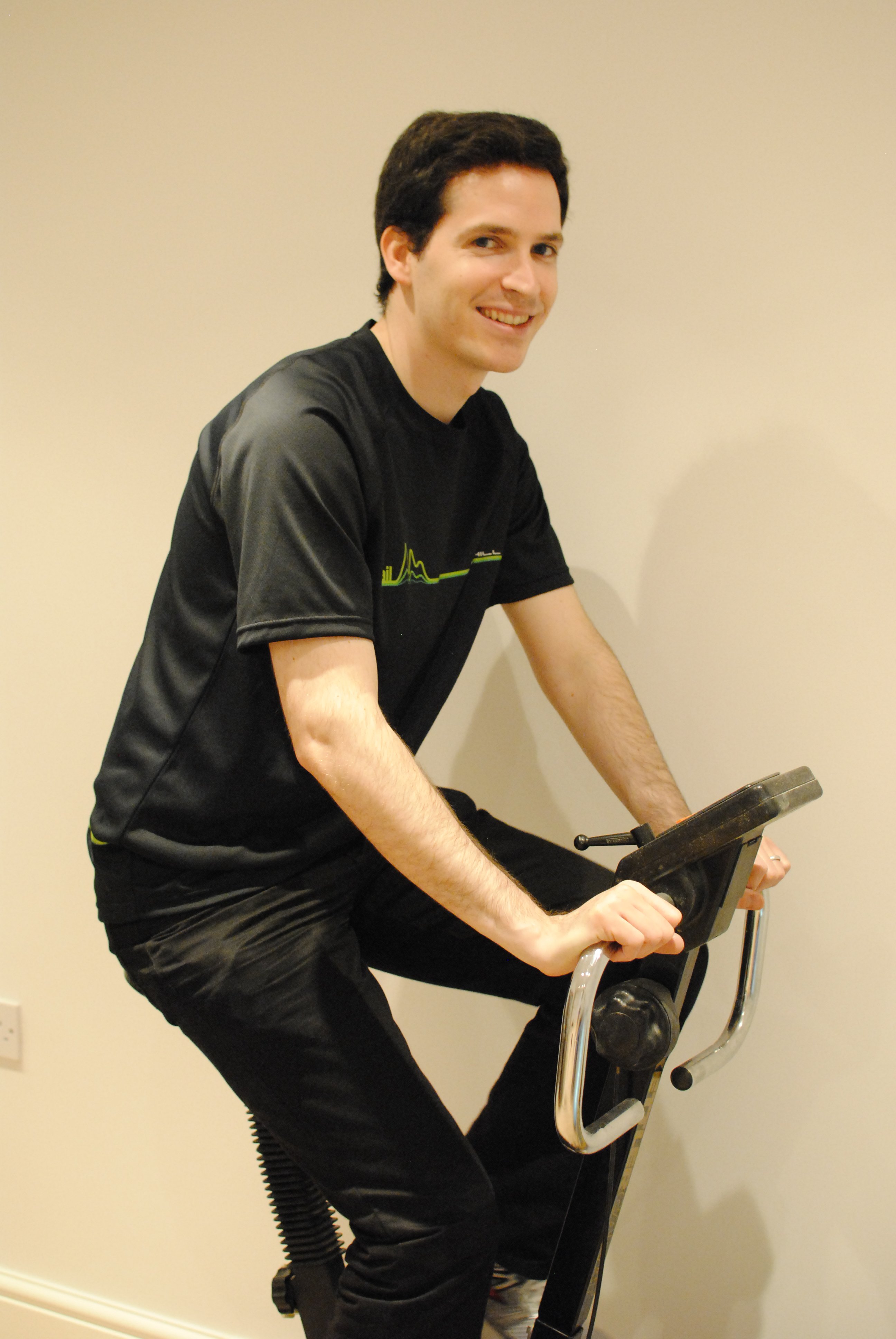
Professor Timmons has also been involved with experiments in a new evolving field of study of training called ‘HIT’ (High Intensity Training). He and his team, as well as researchers from North America, recommend 3 lots of 20 seconds of exercise, with short rests between, 3 days a week. I.e., 3 minutes a week of exercise! They say this is extremely effective for your metabolism and your muscles (as they are being pushed to their maximum and using 70 per-cent muscle tissue compared with 20 to 30 per-cent from jogging). This was demonstrated on an exercise bike.
This will not suit everybody and certainly anyone with a medical condition should consult their doctor before any high intensity exercise.
For the 80 per-cent of the population that does not exercise, NEAT (Non-Exercise Activity Thermogenesis) might help these people. NEAT implies any movement that is not intended as exercise. For example, walking, which can still burn calories. A busy waitress therefore, should she have her NEAT measured, will score highly. Conversely, a sedentary office worker will be the opposite. It is recommended that no one should be seated for more than one hour: our bodies are not designed to stay in this position.
Not only will walking turn on genes that control fat levels in the blood, it will also increase metabolic rate. 1.3 / 1.4 miles per hour walking can double your metabolic rate. The advice from Dr James Levine – a specialist in NEAT – is, “when you have the urge to move, move”. Otherwise as he says your body idols, the blood fat and blood sugar levels elevate. He also states, “there is profound data that people who sit down all day and even go to the gym in the morning are not doing enough. The sedentariness is killing millions.”
Finally, what we believe is muscle fatigue during exercise can be the unconscious protecting us from what it perceives as danger. Over time through exercise the unconscious will learn that exercise is not life-threatening and we will be able to go for longer.
In conclusion, exercise should be tailored. Some may achieve through ‘HIT’ a grand improvement in their fitness levels. Others may just attain an enhancement in their insulin function. Moderate exercise can initiate an enzyme that controls the fat levels in the blood. And exercise is good for everyone in different ways but personalised exercise is the future.
In my first term of University I lived in self-accommodation halls. Unfortunately, I only knew how to cook spaghetti bolognese; boil and scramble eggs; and beans on toast. Consequently, I was a frequent patron of the local fast food restaurants, especially the fish and chip shop.
Years later, I decided to learn Diet and Nutrition and found that my poor eating habits meant that my blood sugar levels were constantly fluctuating which affected my mood as well as concentration. I was fortunate to have two different teachers: a meat eater and a vegetarian, whose diets could not have been any more different. The emphasis, though, was on a varied diet; three meals a day with snacks in between. Each meal should include some protein, carbohydrates as well as fats (preferably essential fatty acids). Protein foods release energy at a slower rate than carbohydrates and therefore sustain blood sugar levels for longer: a key principle of the GI (Glycemic Index) diet – designed for diabetics but relevant to everyone! Essential fatty acids – which can be found in oily fish and some nuts and seeds – are linked to cognitive brain function. Clearly this can help a person deal with negative stress. Water, like certain foods containing some of the B vitamins, has also been shown to increase cognitive brain function.
Here are some tips on eating / drinking when under stress and in general:
As our digestive system slows down when we are stressed (blood is diverted to other areas of the body such as the muscles to deal with the ‘fight or flight’ response) it is recommended to eat small meals so that the food won’t ‘sit’ on your gut.
It is important to eat every 3 hours. Our brains and bodies need the fuel!
We need to chew our foods. The stomach does not have any teeth: IBS is linked with poor eating.
Take a minute to allow our bodies to prepare for food. This is done automatically by some religious people.
Focus on eating and drinking; avoid any distractions such as television or continuing to work during your lunch break.
Eat food that is rich in nutrients and vitamins.
Avoid stimulants. This includes caffeine.
Record your eating and drinking habits in a food diary: what you consume, the time and why. This can show you how often you are eating as well as what food and drink your body can crave and the effect it can have.
Diet and nutrition encompasses an abundance of information and some of which I will share in a separate blog post; in the meantime, if you are interested to read more on nutrition then I recommend you obtain the book, The Optimum Nutrition Bible by Professor Patrick Holford. There also plenty of easy-to-follow books found in charity shops. Here is a link to see a version of the Glycemic Index: http://www.the-gi-diet.org/lowgifoods/.
A holistic approach to stress management does not stop at diet and nutrition. Sleep is an important factor and so is time management. Scientists show that sleep deprivation can lead to bad decisions. I watched a documentary on the soldiers of the first golf war relating to their lack of sleep. During this war 35 US and 9 UK soldiers were killed under friendly fire. Lack of sleep clouded their judgement.
Sleep deprivation can:
Affect decision making and memory loss due to the non-activity in the frontal cortex.
6 days of sleep deprivation is the same as aging.
Chronic poor sleep can equal brain damage and accelerated dementia.
Increase fatal accidents: 2am to 6am is the most vulnerable time for drivers to fall asleep.
Time management effects our stress levels, for instance disorganisation can make us stressed. Here are some tips:
Set realistic targets; delegate if appropriate.
The ABC System – in three columns titled A, B and C place things that need to be undertaken. The most important things should be in column A, and then B and those that can wait into column C. Eventually things in Column C will in turn be in column A.
If you struggle to get started on some of the important tasks then to break those down into bite-sized bits (sub tasks) can really help. Identify the first sub-task in the sequence. Even if you have a few minutes of free time spend that time on a sub-task. You can tell yourself that since you will only need to spend a few minutes on it, it won’t matter if you don’t enjoy it.
Make a daily to do list – set priorities again using the ABC system.
Start with ‘A’s not ‘C’s.
Keep asking: what is the best use of my time right now? Better to spend 10 minutes thinking about an ‘A’ than doing a ‘C’.
Do it now! Do something as this can start the momentum.
And finally on this subject the concept of Type A and Type B personalities. Type A’s are always in a hurry. They try to fit too much into their day. Type B personalities will give themselves enough time to get to their destinations, to achieve their goals, etc.
Lastly, sometimes we just need to relax! Meditation or yoga is fantastic for clearing our minds. Also, a technique called the 7-11 breathing can help:
1) Take a deep breath and as you do count to 7 in your head (or up to 5)
2) As you breathe out count to eleven in your head (or up to 9)
3) Do this as many times as necessary to feel relaxed
I hope you enjoyed my blog posts on stress management. You might also find my blog post on happiness helpful.
When I was in my early twenties, I found myself getting nervous around people who I deemed to be more intelligent than me. I hated silence. I would start talking and rambling and would try to be funny to ‘break the ice’ or more specifically, what I wrongly perceived to be tension.
Sometimes it worked, sometimes it didn’t. I didn’t realise back then that I was showing symptoms of the first of three stages of stress as outlined by the Stress Foundation. In case you were wondering about the difference between symptoms and signs of stress: symptoms are what you experience, e.g. breathlessness, and signs are detected (or measured) by a doctor, e.g. a fast heart rate. There can be overlaps and some might even argue that there is no real distinction between the two.
Other symptoms I experienced that are typical of this stage were: talking quickly; eating and drinking faster; working at high speed and for long period of time, without tiring (whilst undertaking the activity).
Through time, if we don’t deal with our negative stressors (extreme stimuli which are often injurious, unpleasant, and can arouse fear or anxiety), we could become irritable; confrontational; experience tension headaches, migraines, insomnia, heart burn; and increase our consumption of alcohol and food, and smoke more. These are all attributed to the second stage of stress.
The last stage can show ‘cotton-wool head’; palpitations, chest pain, heart attacks; depression and anxiety; tiredness, lack of energy; severe guilt / shame; and physical illness.
Negative stress affects us on a physical, behavioural, psychological and emotional level.
These are some things to look out for when either the demands placed on us outweigh our perceived ability to cope or our perceived ability to cope outweigh the demands placed on us:
On a physical level:
Decreased energy
Muscle tension
Sighing
poor posture
colds and flu
rapid breathing
On a behavioural level:
boredom / frustration
poor concentration
lack of awareness
fatigue
increased smoking / coffee consumption
On a psychological level:
lack of confidence
forgetful
inability to make decisions
time urgency
On an emotional level:
distress
quick temper
impatient
irritable
lack of humour
However, when the demands far outweigh our perceived ability to cope, we can lose our sex drive, withdraw socially, experience helplessness, depression, become violent, hostile, etc.
If you are like me and love reading non-fiction books then I thoroughly recommend the book, Teach Yourself Managing Stress by Professor Terry Looker and Dr Olga Gregson. Here you will find a comprehensive guide to stress and the management of negative stress.
When confronted with negative stressors try to take a step back and remember past similar experiences that you successfully overcame. Imagine yourself as someone, perhaps a role model, able to be calm: you may start to become calm – by having a new viewpoint you could overcome the negative stressor. On a slight digression, people with anger issues are taught to have a different understanding of the situation, which can help dissolve the anger almost immediately. In a similar way, I find imagining myself as someone who has the skills I need to overcome an obstacle really effective.
You may find making a list of all the things on your mind can help you gain control. Also, taking a deep breath in will activate the vagus nerve. This can induce relaxation. I will provide more tips in my next blog post.
But if you are experiencing high levels of stress then you may find cognitive hypnotherapy extremely beneficial to help treat your difficulties and problems and to regain control of your life. Sometimes we can deal with issues when they arise but often we become so engrossed in countless demands that we lose the ability to manage our stress levels. Also, if you are experiencing tension with loved ones or work colleagues, cognitive hypnotherapy can help you see new perspectives and different ways of communicating.
You can test your stress levels: http://www.mindtools.com/pages/article/newTCS_82.htm. I was taught that if your score is 80-100 then your stress levels are a little high; over 100 suggests that you are under serious stress; over 200 indicates potential development of a stress-related illness.
One more test, the Glazer Stress Control Lifestyle Questionnaire – ftp://ftp.islandnet.com/sarbc/stress.pdf. I will explain in my next blog post the differences between type A and type B personalities.
In my final blog post in this series on stress management I will provide tips on how to manage your stress through time management, relaxation techniques as well as the effects of diet and sleep on our stress levels.


 Do you want to stop smoking or vaping? Have you tried ways that just have not worked? Did you stop for a while, but something happened stressful or otherwise and that old ‘friend’ reappeared? It’s not your fault that you smoke. I will say that again, ‘it’s not your fault that you smoke!’